
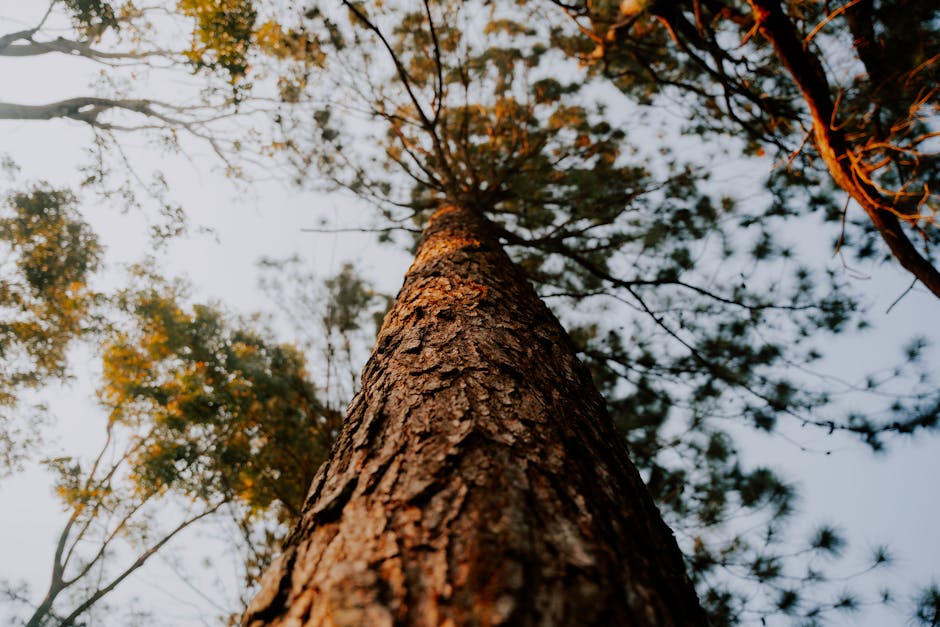
Understanding the Importance of Tree Maintenance
Tree maintenance is a critical aspect of landscape management that ensures the health and longevity of trees. This process involves several key activities, including regular pruning, inspections, treatments, and removals. Pruning is vital for controlling tree growth, improving aesthetics, and preventing hazards associated with overgrown branches. By removing dead or diseased limbs, homeowners can significantly reduce the risk of falling branches that may cause damage or injury.
Inspections, on the other hand, play an essential role in identifying issues early on. A qualified arborist can assess the condition of trees, looking for signs of disease, pest infestations, or structural problems. This proactive approach helps in addressing potential concerns before they escalate into more significant and costly issues.
Treatments are equally important, ranging from pest control to soil enhancement. Healthy trees can increase property value by providing shade, improving air quality, and enhancing the overall aesthetic appeal of the landscape. Moreover, well-maintained trees can lower energy costs by providing windbreaks and reducing heat in the summer months. This not only contributes to the comfort of a property but also generates savings on utility bills.
Furthermore, neglecting tree maintenance can lead to severe problems such as tree disease, pests, or even tree failure, all of which require costly interventions later. In some cases, the removal of a tree that has become hazardous may be the only solution. Regular maintenance can help avoid these outcomes by ensuring trees remain healthy and structurally sound, ultimately saving homeowners significant amounts of money in the long run. By investing in tree care now, owners can prevent costly repairs and replacements, ensuring their landscapes remain vibrant and valuable.
The Financial Benefits of Preventive Care
Investing in regular tree maintenance can lead to significant financial savings, primarily through the reduction of emergency costs associated with tree health issues. Proactive care, which includes routine inspections, pruning, and pest management, can identify potential problems before they escalate into expensive emergency services. For instance, a diseased tree may not show symptoms until it is too late, leading to costly removal services if it fails unexpectedly. By addressing issues promptly, homeowners can avoid these unplanned expenses.
Furthermore, neglecting tree care can result in damage to property. Trees that are not adequately maintained risk falling branches or entire trees, which can cause extensive harm to roofs, vehicles, and landscaping. The financial repercussions of repairing property damage can far exceed the costs associated with preventive tree care. For example, the average cost to remove a fallen tree can range from $500 to $1,500, while regular maintenance typically costs much less in comparison. By prioritizing tree health, homeowners can safeguard against these potentially high costs.
In addition to preventing immediate costs, routine tree care contributes to the longevity and overall health of trees. Healthy trees are more resilient to disease and adverse weather conditions, thereby reducing the likelihood of premature removal. As trees flourish over time, they can enhance property value, which translates to long-term financial benefits. An investment in tree maintenance ultimately leads to well-manicured trees that not only improve aesthetic appeal but also create a more valuable and sustainable environment for years to come.
Common Tree Problems and Their Costs
Trees, much like any living organisms, are susceptible to a variety of problems that can jeopardize their health and longevity. Diseases, pest infestations, and structural weaknesses are among the most common issues affecting trees, posing significant risks not only to the trees themselves but also to surrounding structures and landscapes.
One prevalent tree disease is root rot, caused by fungal infections that compromise the root system. This condition can result in tree decline and eventual death if left untreated. The cost of addressing root rot can escalate quickly, as it may require the application of fungicides and extensive soil management, totaling several hundred dollars. In severe cases, the only solution may be tree removal, which can cost upwards of a thousand dollars, depending on the tree’s size and the location.
Pest infestations, such as those from emerald ash borers or spider mites, can also be detrimental. Infestations can lead to visible decline in tree health, including leaf discoloration and premature leaf drop. Efforts to control these pests can incur costs ranging from seventy to three hundred dollars, depending on the treatment’s complexity and the infestation’s severity. Failure to manage a pest issue can lead to irreversible damage and necessitate removal.
Additionally, structural weaknesses, often manifesting as cracked or leaning trunks, may pose safety hazards. Ignoring these indicators can result in the tree failing during storms or high winds, potentially causing property damage and personal injury. Should a tree fail in such a manner, liability claims can result in steep financial repercussions. Hiring certified arborists for assessments and remedial action can prevent these costs from escalating.
In essence, the financial implications of neglecting common tree problems can be considerable. Regular maintenance to address diseases, pests, and structural concerns can significantly mitigate these risks and expenses, reaffirming the importance of investing in proactive tree care.
Creating a Cost-Effective Tree Maintenance Plan
Developing a cost-effective tree maintenance plan is crucial for ensuring the health and longevity of your trees while also optimizing your landscaping investments. The first step in this process is to assess the specific needs of your trees, taking into consideration their species, age, and environment. Different trees have varying requirements, and recognizing these will help tailor your maintenance efforts effectively.
Scheduling regular care is essential and should form the backbone of your maintenance plan. This includes routine inspections to identify any signs of disease or damage early on, which can prevent more extensive and costly issues later. Collaborating with a certified arborist can provide insights into the specific maintenance schedules for your trees. Ideally, inspection should occur at least once a year, but specific care, such as pruning or fertilization, may need to happen more frequently, depending on individual tree species and local climate conditions.
When selecting professionals for tree care, prioritize those with reputable certifications and experience. Obtaining multiple quotes can create a clearer picture of the going rates for services like tree trimming, disease treatment, and emergency removal. Ensuring that your chosen professionals use environmentally sustainable methods will protect your investment and promote the longevity of your landscaping.
Budgeting is vital for any maintenance plan. Setting aside a specific annual budget for tree care helps ensure you are financially prepared for both regular service and unexpected emergencies. Furthermore, investing in preventative care today can lead to significant cost savings in the future by preventing issues that could escalate into larger problems. By considering these aspects, you create a comprehensive, cost-effective tree maintenance plan that sustains both the health of your landscape and your financial well-being.