
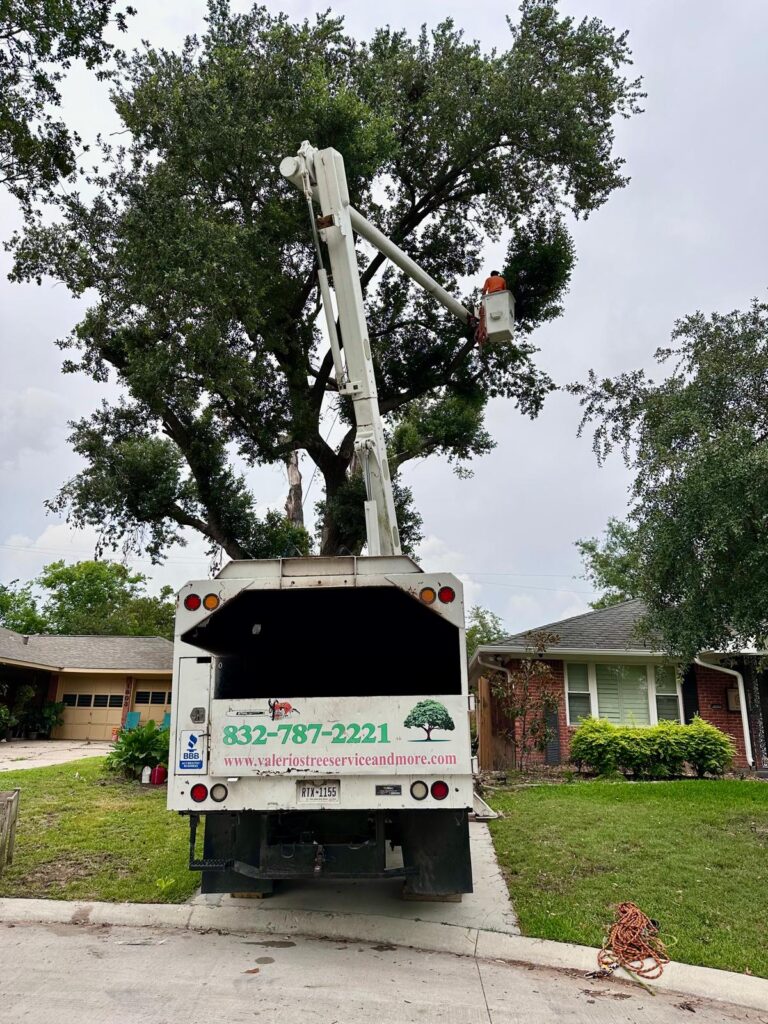
Understanding Commercial Tree Services
Commercial tree services encompass a wide array of practices designed to maintain the health, safety, and aesthetics of trees on commercial properties. These services are essential for businesses in Houston, who recognize the value of well-cared-for landscaping. The primary offerings of commercial tree services include tree trimming, removal, planting, and regular maintenance.
Tree trimming is crucial not only for enhancing the visual appeal of a property but also for promoting the growth and longevity of the trees. Proper pruning can prevent diseases and eliminate hazardous branches that may pose a danger to buildings or pedestrians. Regular maintenance services ensure that trees are healthy and free from pests, making it less likely that they will suffer from significant health issues that could necessitate removal.
Tree removal, although sometimes seen as a last resort, is an integral part of commercial tree services. When a tree becomes diseased, poses a safety risk, or hinders development, removal becomes necessary. Skilled arborists evaluate trees and determine the safest and most effective methods for removal, ensuring minimal disruption to the surrounding landscape.
In addition, the process of planting new trees takes on added importance in urban settings like Houston, where the environment can greatly benefit from increased greenery. Professional planting ensures that trees are placed in optimal locations for growth and visibility, thereby enhancing the overall aesthetic value of the business property.
In conclusion, engaging expert commercial tree services allows businesses to enhance their outdoor spaces significantly while ensuring the health and safety of their premises. Investing in these services promotes a welcoming atmosphere that can attract customers and support environmental well-being.
Choosing the Right Tree Service Provider
When selecting a commercial tree service provider in Houston, businesses must consider several key factors that ensure effective tree management and maintenance. One of the most important considerations is the credentials of the tree service provider. It is crucial to select a company that is certified by reputable organizations, such as the International Society of Arboriculture (ISA). These certifications indicate that the provider has undergone rigorous training and adheres to industry standards in tree care.
Another significant aspect to evaluate is whether the tree service provider carries appropriate insurance. A reliable tree service should have liability insurance and workers’ compensation coverage to protect the business from potential financial risks associated with accidents or damages during the tree care process. This not only shows professionalism but also provides peace of mind that any incidents will be managed appropriately.
Experience plays a critical role in selecting the right tree service provider. Businesses should look for companies that have a proven track record in commercial tree services. Experienced professionals are adept at handling various tree species and understand the specific needs arising from Houston’s unique climate, such as heat stress and drought management. Additionally, seeking out customer reviews and testimonials can provide valuable insights into the provider’s reliability and customer satisfaction.
Moreover, the types of equipment and techniques utilized by the tree service provider can significantly affect the quality of service. Ensure that the company has access to modern and well-maintained equipment, which translates to efficiency and safety in operations. A provider that stays updated with the latest advancements in tree care technology is often better prepared to handle the diverse challenges posed by urban tree management.
Overall, thorough due diligence in assessing credentials, insurance, experience, customer feedback, and equipment will position businesses to choose a commercial tree service provider that meets their specific needs in Houston.
When considering commercial tree services in Houston, understanding the cost factors associated with these services is essential for effective budgeting. Tree service pricing typically varies based on several key factors, including the size of the tree, the location where the work will be performed, and the specific type of service required. For instance, larger trees generally demand higher costs due to the increased labor, equipment, and expertise necessary to ensure safe and effective service.
Location also plays a significant role in pricing. Trees situated in hard-to-reach areas or those located near buildings, power lines, or other infrastructure may require specialized equipment or techniques, which can elevate costs. Moreover, the type of service—whether it is tree trimming, removals, or health assessments—will additionally influence the pricing structure. Some companies charge by the hour, while others offer flat rates based on the job’s scope.
To obtain accurate estimates from tree service providers, businesses should consider several tips. First, it is prudent to request multiple quotes from reputable companies. This not only aids in understanding the market rate but also unveils the differences in service offerings. It is wise to inquire about what each quote includes, ensuring that no unexpected fees arise later on. Furthermore, businesses should prioritize engaging certified and insured professionals, as the quality of service can significantly affect the overall value of the investment.
Investing in quality tree services yields long-term benefits, such as increased property value, improved aesthetics, and enhanced safety. Choosing the right professionals can lead to healthier trees and reduced future maintenance costs, thus optimizing your budget.
The Benefits of Regular Tree Maintenance
For businesses in Houston, the regular maintenance of trees on their commercial properties is an essential practice with numerous advantages. One of the most significant benefits is the enhancement of property value. Well-maintained trees not only improve the aesthetic appeal of a business’s landscape but also contribute positively to the overall perception of the property. Attractive surroundings are often more inviting to potential clients and customers, which can lead to increased business opportunities and higher property ratings.
In addition to boosting property value, regular tree maintenance plays a crucial role in safety. Trees that are not properly cared for can become hazardous. Dead branches, overgrown limbs, or unstable trees pose risks of falling, which can cause injury to individuals or damage to property. By investing in routine assessments and maintenance, businesses can significantly reduce the risk of accidents and liability claims, providing a safer environment for both employees and customers.
Moreover, regular tree care also has a meaningful environmental impact. Trees provide essential benefits, such as improving air quality and reducing urban heat. Healthy trees contribute to eco-friendliness, enhancing the business’s reputation as one that values sustainable practices. Furthermore, routine maintenance can help prevent disease and pest infestations, ensuring that trees remain healthy and vigorous, thus playing their role in combating climate change.
In conclusion, integrating regular tree maintenance into business operations can lead to an array of advantages, from increasing property value to enhancing safety and promoting environmental responsibility. By prioritizing such maintenance, businesses not only safeguard their assets but also contribute positively to the community and environment around them.