
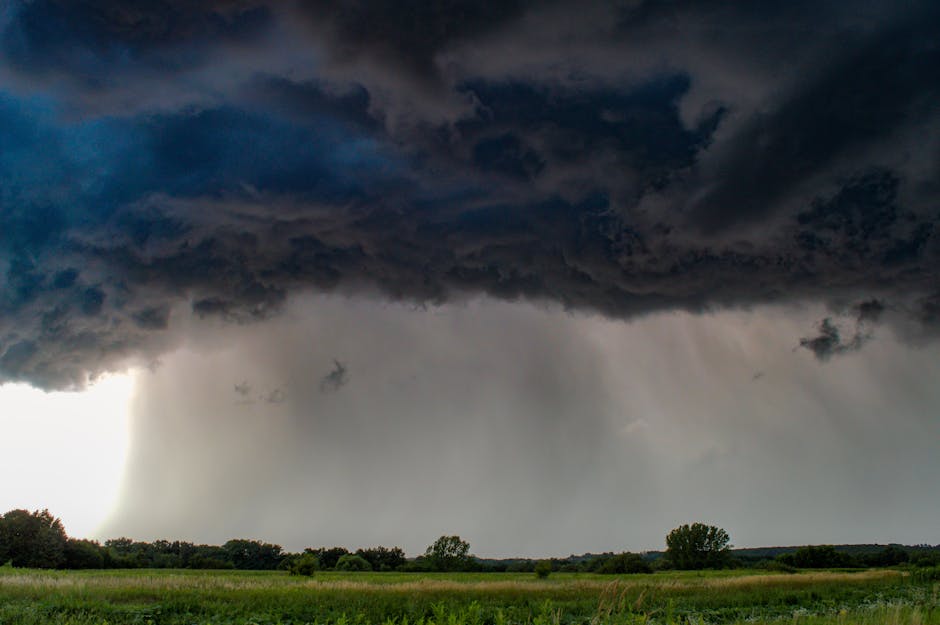
Understanding the Impact of Major Storms on Houston Homes
Major storms significantly affect residential properties in Houston, leaving behind a myriad of damages that can disrupt the lives of homeowners. The most common issues include roof leaks, flooding, and structural problems, arising from the high winds and heavy rainfall typical of these storms. These weather events can result in extensive property damage, necessitating costly repairs and renovations.
Statistics indicate that Houston experiences approximately 200 days of rain annually, with major storms striking the region with alarming frequency. In the last decade alone, the city has faced several catastrophic storms, including Hurricane Harvey in 2017, which caused devastating flooding and displaced thousands of residents. Such events highlight the vulnerability of Houston homes, especially older structures that may lack modern building codes designed to withstand such intense weather.
The impact of these storms can also extend beyond immediate physical damage. Homeowners often face financial strain due to unforeseen repair costs and the potential loss of property value. For instance, after major storms, many families find themselves grappling with insurance claims that do not fully cover their expenses, leaving them to shoulder some financial burden alone.
Anecdotal evidence from the local community demonstrates the emotional toll of such storms. Many homeowners recount harrowing experiences, such as waking in the night to the sound of their roofs cracking or discovering waterlogged interiors. These stories point to a broader issue of preparedness, as many homeowners are often taken by surprise at the intensity of these storms, leading to inadequate protective measures prior to their arrival.
In recognizing the substantial impact of major storms on Houston homes, it becomes clear that homeowners must prioritize readiness and response strategies that can help mitigate damage and facilitate recovery after such events.
Immediate Response: Assessing Damage and Safety Measures
After a major storm, homeowners must prioritize their safety and well-being while assessing any potential damage to their property. The very first step involves ensuring that it is indeed safe to enter the premises. Homeowners should look for visible hazards such as downed power lines, weak or damaged roof structures, and flooding before re-entering their homes. If there is any indication of danger, evacuating the area and contacting local emergency services is advised. Safety should always take precedence over property.
Once it is safe to proceed, homeowners should begin assessing the extent of the damage. This includes checking for leaks, broken windows, and structural damage. It is crucial to document all damage thoroughly for insurance purposes. Taking photographs or videos of the affected areas can significantly aid in the claims process, providing a clear record of the destruction caused by the storm. Homeowners should also list any items that are damaged beyond repair, as many insurance policies require a detailed inventory to process claims efficiently.
Securing the property against further damage is another essential step. Homeowners should board up windows, cover leaks with tarps, and, if necessary, shut off utilities to prevent further complications. Engaging professional services for tree removal or significant repairs might also be prudent, especially if the damage is extensive. Storm recovery can be a daunting ordeal, and these preliminary actions significantly contribute to minimizing further risks. Properly assessing and addressing the immediate ramifications of a storm not only protects lives but also preserves the integrity of the home, ensuring that the recovery process can commence promptly.
Restoration and Repair Services Available for Homeowners
After experiencing major storms, Houston homeowners often face extensive damage to their properties. Restoration and repair services are crucial for returning homes to their pre-storm condition. These services can encompass a variety of tasks including roof repairs, water damage mitigation, and structural restoration. Homeowners should seek out professional contractors who specialize in storm damage restoration to ensure the work is done efficiently and in compliance with local building codes.
When selecting a restoration service, it is important for homeowners to consider several key factors. First, look for contractors who have experience specifically with storm-related damage. This specialization can significantly affect the quality of the repairs. Additionally, obtaining references from previous clients can provide insights into the contractor’s reliability and quality of work.
Moreover, homeowners should verify that the contractors are adequately licensed and insured. This protects homeowners from potential liability during the repair process and ensures that the work meets industry standards. A well-documented portfolio of past projects can further establish a contractor’s credibility.
The types of repairs performed can vary widely depending on the nature of the storm. Common issues include damage to roofing, siding, and windows, as well as water intrusion leading to mold growth. Effective restoration services not only repair physical damage but may also include preventative measures to protect the home from future events. For instance, installing impact-resistant materials or improving drainage systems can help mitigate risks from future storms.
In Houston, it is essential to choose local contractors familiar with the area’s unique climate and building requirements. This understanding can lead to better recommendations for materials and designs that withstand local weather conditions, thus ensuring the longevity and durability of repairs.
How to Prepare for Future Storms: Prevention and Resources
Preparing for potential storms is essential for homeowners, especially in areas prone to severe weather such as Houston. One of the primary strategies for storm preparedness is conducting regular home maintenance. Homeowners should routinely inspect their roofs, gutters, and downspouts, ensuring they are clear of debris and functioning correctly. Regularly checking windows and doors for leaks and sealing any gaps can help prevent water intrusion during storms.
Creating an emergency plan is another vital step for homeowners. This plan should include evacuation routes, places to seek shelter, and a communication strategy to keep family members informed. It is advisable to hold regular drills to ensure everyone knows their roles during emergencies. Additionally, assembling an emergency kit with essential supplies such as medications, bottled water, non-perishable food, and basic first aid items can be invaluable during and after a storm.
Investing in storm-resistant upgrades can significantly enhance your home’s resilience to severe weather. Options to consider include reinforcing roofs, installing impact-resistant windows and doors, and adding removable storm shutters. These upgrades not only improve the safety of your home but can also lead to potential savings on insurance premiums.
Homeowners in Houston can benefit from various resources aimed at improving storm preparedness. Local government programs often offer information on disaster assistance, recovery resources, and preparedness workshops. Community initiatives, such as neighborhood watch groups or local disaster response teams, can also provide support and share valuable insights. For up-to-date information on upcoming storms, websites such as the National Weather Service and local meteorological services serve as reliable sources.