
Understanding tree removal costs involves several factors that can significantly influence the overall price. In Houston, the size of the tree plays a critical role in determining the cost of removal. Generally, larger trees require more equipment and labor to safely cut them down and remove the debris. Therefore, trees with a height of more than 40 feet are usually categorized as large and could incur higher removal costs, typically ranging from $1,000 to $2,000 or even more depending on other conditions.
Another significant factor is the condition of the tree. A tree that is dead, diseased, or dying may pose additional challenges for removal. Hazards such as structural instability or proximity to power lines can necessitate extra precautions, increasing both the complexity and the cost of the job. Trees in poor condition may also require special equipment or techniques, further affecting the price.
The location of the tree is crucial in the pricing equation. Trees situated in hard-to-reach areas, such as those near fences, buildings, or other structures, often require more careful planning and more time to remove, which can lead to higher labor costs. Additionally, accessibility can affect the cost—if cranes or other machinery are required, this will contribute to the overall expense.
Lastly, the average cost of tree removal can vary between different tree species. For example, hardwood trees such as oak or hickory tend to be more expensive to remove compared to softer wood species. It is essential for homeowners to gather estimates from professionals, taking into consideration these factors to achieve a comprehensive understanding of tree removal costs in Houston. By doing so, they can make informed decisions regarding their property and budget accordingly.
Average Pricing Breakdown for 2026
In 2026, the costs associated with tree removal in Houston can vary significantly based on several factors, including the size of the tree, its location, and any additional services that might be required. Understanding these factors is essential for homeowners and property managers to anticipate and budget for tree removal projects.
For small trees, which generally have a trunk diameter of less than 10 inches, the removal cost typically ranges from $150 to $500. This pricing generally covers the entire process, including disassembling the tree and disposing of the debris. Medium-sized trees, ranging from 10 to 20 inches in diameter, usually incur expenses between $500 to $1,200. These trees often require more complex removal techniques, particularly in urban settings where the tree’s location may pose risks to surrounding structures.
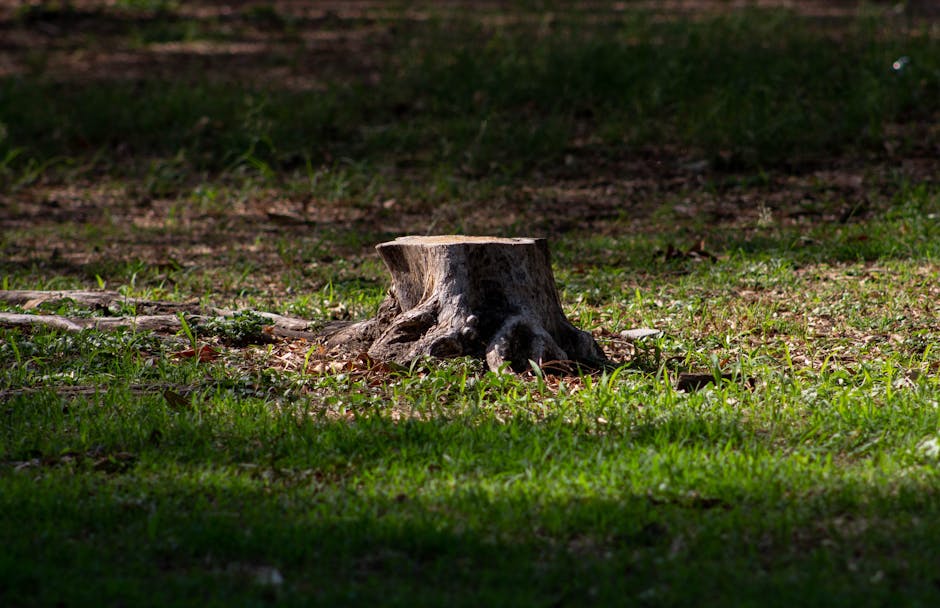
Large trees, categorized as having a trunk diameter of over 20 inches, can cost anywhere from $1,200 to $2,500 or more for safe removal. This higher price reflects the added risks and labor associated with removing substantial trees. Additionally, property owners should also consider the costs associated with stump removal, which generally ranges from $75 to $300, depending on the stump’s size and the method used for extraction.
In conjunction with these pricing structures, additional services such as land clearing or debris removal may also be required, particularly for larger projects. Such services can add anywhere from $100 to $1,000 to the overall cost, depending on the extent of the work necessary. Overall, it is advisable for homeowners to obtain multiple estimates from tree removal services in Houston to ensure a comprehensive understanding of typical fees and options available.
Finding and Choosing a Tree Removal Service in Houston
When it comes to tree removal services in Houston, finding a reputable provider is crucial for ensuring the safety and satisfaction of your property. The first step in this process is to check the qualifications of the service. Look for companies that are licensed and certified, as this will provide assurance that they adhere to industry standards. Certification from organizations such as the International Society of Arboriculture (ISA) can further demonstrate a commitment to quality and expertise.
Reading reviews and testimonials from previous clients is another vital component of the selection process. Websites such as Yelp, Google Reviews, and Angie’s List can provide insight into the experiences of other customers. Pay attention to comments regarding the service’s reliability, professionalism, and quality of work. A company that consistently receives positive feedback is typically a better choice.
Obtaining quotes from multiple tree removal services is essential for comparing prices and services offered. Ensure that each quote includes a detailed breakdown of costs such as labor, equipment, and any additional fees. This information will allow you to make a more informed decision based on your budget and needs. Additionally, do not hesitate to ask about the specific services included in the quote, such as stump grinding or debris removal, as these aspects can impact the overall cost.
Finally, inquire about insurance and safety practices. Reputable tree removal companies should have liability insurance and worker’s compensation coverage. This is crucial for protecting yourself from potential liabilities in case of accidents or damage during the tree removal process. Asking about their safety protocols can also provide peace of mind, as it ensures that the service prioritizes not only the health of your trees but also the safety of your property and its occupants.
Tips for Saving on Tree Removal Costs
When it comes to tree removal services in Houston, homeowners often seek ways to minimize expenses. By employing certain strategies, individuals can effectively reduce the costs associated with removing unwanted trees. One significant recommendation is to schedule tree removal services during off-peak seasons. Typically, tree removal companies experience higher demand in spring and summer when trees are in full bloom. By opting for services during the fall or winter, homeowners may find reduced rates due to the lower demand for these services at that time.
Another effective strategy is combining multiple tree removals. If a homeowner has several trees that require removal, coordinating the process can lead to substantial cost savings. Tree removal companies may offer discounts for multiple service requests, as it allows them to optimize their resources and time effectively. Thus, it may be beneficial for neighbors to collaborate and arrange for tree removal services simultaneously, further enhancing savings.
Additionally, homeowners should familiarize themselves with potential discounts or promotions offered by tree removal companies. Many service providers have seasonal promotions or loyalty programs which can be advantageous. Engaging in discussions with the company about pricing can also prove beneficial, as some firms may be open to negotiation, particularly for larger projects or repeat customers. It is essential to obtain several quotes from different companies to ensure that one is receiving a fair price.
Lastly, proper tree maintenance can prevent the need for removal altogether. Regular pruning and health assessments contribute to the longevity of trees, decreasing the likelihood of costly removals in the future. By taking these proactive steps, homeowners can not only enjoy the aesthetic appeal of trees on their property but also mitigate the risk of incurring high tree removal costs.