
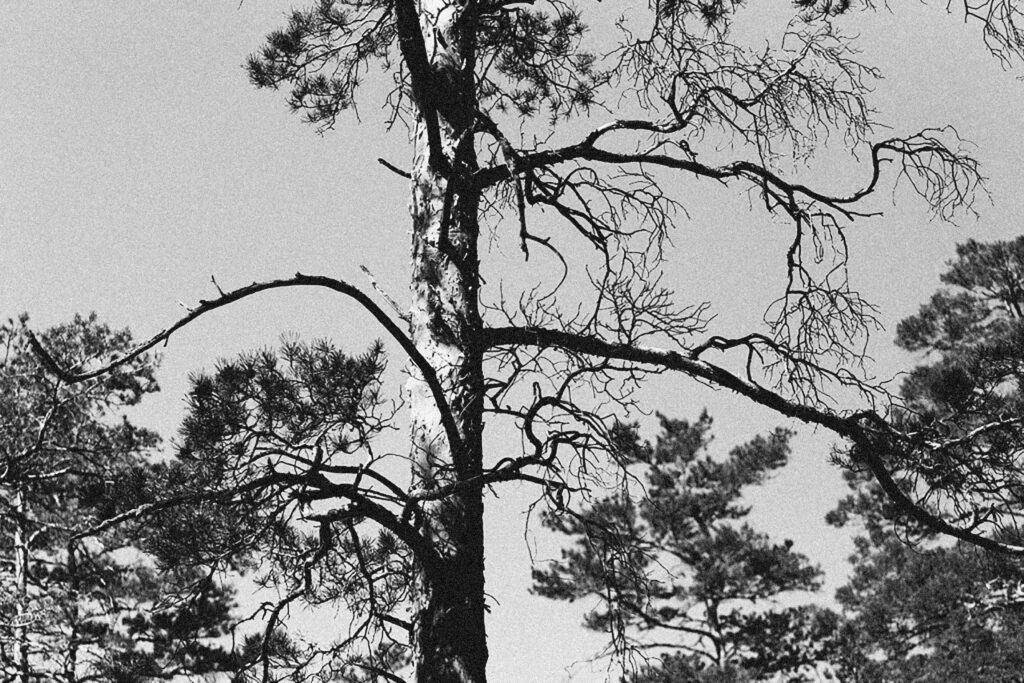
A tree emergency exists when a tree or substantial limb creates an immediate danger, or is likely to do so soon, for people, buildings, vehicles, roads, or utility lines. The risk may be obvious, such as a trunk resting on a roof, or less certain, such as a tree leaning farther after a storm. If a failure could cause injury, block access, damage property, or interfere with electrical service, treat the situation as urgent rather than waiting for routine maintenance. In Houston, heavy rain and strong winds can quickly change conditions, so reassess the area from a safe distance.
Some warning signs call for prompt professional attention. These include a partially fallen tree, a trunk that has split, major roots lifting from the soil, or a large limb broken and suspended above a home, driveway, or public walkway. A hanging branch may appear stable but can drop without warning, especially when wind returns. Keep people and pets away from the danger zone, and do not park or stand beneath damaged limbs. If a tree or branch has contacted a power line, assume the line is live and contact the utility or emergency services; never approach or attempt to move it.
By contrast, ordinary pruning, a planned tree removal, or evaluation of a healthy tree without an immediate hazard can generally be scheduled as routine work. However, a tree that looked healthy before a storm may still have hidden damage, including cracked branches or weakened roots. Homeowners should not climb, cut, pull, or try to diagnose a compromised tree themselves. Focus first on protecting people and keeping clear of the area, then contact a qualified tree-care professional, such as valeriostreeserviceandmore, to assess the risk and recommend safe next steps. When the threat is unclear but could affect someone or something nearby, it is safer to seek expert guidance promptly than to assume the tree is stable.
Trees can show visible signs of failure before a major limb or the entire trunk falls. A newly leaning tree deserves attention, particularly if the lean appeared after a storm or has become more pronounced. Look for fresh soil cracks near the base, ground that appears raised on one side, or roots newly exposed above the soil. These changes may indicate that the root plate is shifting and the tree is less stable than before. A long-standing lean may not signal an immediate emergency, but any sudden change should be treated cautiously.
Inspect from a safe distance for cracks or separation where major limbs meet the trunk. A split trunk, widening seam, or opening union can signal structural weakness, especially when the crack extends down the trunk or changes after wind or rain. Hanging, broken, or partly detached branches also pose a hazard, even if they remain caught in the canopy. Avoid standing beneath them, since a limb may fall without further warning. After heavy rain, saturated soil can make root movement harder to notice; after strong winds, check only from a location well clear of the tree.
Fresh soil disturbance, exposed roots, and a worsening lean are especially concerning when they occur together. Keep people and pets away from the area, and do not approach, touch, climb, cut, or try to brace a compromised tree. DIY stabilization can expose you to falling wood and may make the situation worse. If the tree threatens a home, road, power line, or other occupied area, contact a qualified tree professional promptly; if electrical wires are involved, stay far back and contact the utility or emergency services. For local guidance, valeriostreeserviceandmore can help assess visible warning signs and recommend appropriate next steps. When in doubt, observe from a safe distance and seek professional advice rather than waiting for damage to occur.
Houston’s weather can change quickly, and several local conditions may increase the chance of tree damage. Severe thunderstorms can bring intense rain, lightning, and sudden gusts, while tropical storms and hurricanes may expose trees to prolonged periods of strong winds and heavy precipitation. Even outside named storms, repeated downpours or a brief burst of powerful wind can reveal weaknesses that were not obvious in calm weather.
Prolonged rain can saturate the ground and reduce the soil’s ability to hold roots firmly in place. When root support weakens, a tree may lean, shift, or uproot, particularly if it already has compromised roots or is growing in shallow, compacted, or disturbed soil. Waterlogged conditions can also make it harder to assess stability from appearance alone. A tree that remains upright after rain is not necessarily free of risk, especially if the ground around it has lifted or cracked.
Strong gusts can bend branches, break limbs, or expose existing defects such as deadwood, cavities, weak branch unions, and cracks. Damage may occur during a storm or become apparent afterward, when hanging limbs and split branches pose hazards to people, structures, vehicles, or utility lines. Occasional freezes can also stress trees, though their effects vary by species and by the duration and severity of cold conditions.
Weather does not determine risk by itself. Species, tree health, age, root condition, pruning history, and location all influence how a tree responds. A healthy, well-sited tree may withstand conditions that seriously affect a damaged or poorly anchored one; likewise, the same storm can produce different outcomes across a neighborhood. Homeowners searching for valeriostreeserviceandmore should consider both recent weather and visible changes, including new leaning, soil movement, or broken limbs. No single storm makes every tree unsafe, but unusual movement or fresh damage warrants careful attention. When a large limb is suspended or a tree threatens a home or power line, keep clear and contact qualified help rather than approaching it during hazardous conditions.
A tree or large limb touching, leaning on, or hanging close to an electrical wire should be treated as an immediate safety hazard. Power lines may remain energized even when they appear damaged, quiet, or partly hidden by branches. Keep people and pets well away, and do not touch the tree, limbs, fence, vehicle, or other object that may be in contact with a line. Do not attempt to move a branch, use a ladder, or operate a tool near the hazard.
Contact the electric utility promptly to report the location and describe what is happening. If a wire is down, sparking, smoking, or creating an immediate threat to people or property, call 911 or the appropriate emergency service as well. Follow instructions from dispatchers and utility personnel, and maintain a safe distance until they confirm the area is secure. Do not assume that a line is safe because power has gone out; service can be restored without warning.
Tree work near energized conductors requires specialized training and qualifications. Do not ask an ordinary tree crew to enter the hazard zone or cut a limb that may contact a line. Only workers qualified and equipped for utility-line hazards should perform work within the required clearance area, in coordination with the utility. A professional tree service, including valeriostreeserviceandmore, should assess the situation only when it can do so safely and the utility has addressed any electrical danger.
Trees can also create urgent risks when they block a road, sidewalk, driveway, or access route used by emergency responders. Report the obstruction to the relevant local authority, such as the city, county, or road agency, and provide a precise location and details about any fallen wires or injuries. If the blockage presents an immediate danger, contact emergency services. Do not step into traffic, climb over unstable debris, or try to clear a large tree yourself. Keep others back and use a safe alternate route while waiting for authorized crews. If a tree blocks access to a home or business, tell responders which entrances are affected and whether anyone may be inside or need assistance.
While waiting for qualified help, treat a damaged tree as an active hazard, even if it appears stable. Move everyone indoors or well beyond the tree’s potential fall zone, and keep children and pets away from the area. Do not gather beneath the canopy to inspect damage. A cracked trunk, exposed roots, leaning tree, or split limbs can shift without warning, particularly during wind or rain. Keep a generous distance from damaged branches and any trunk that appears unstable.
Avoid trying to manage the hazard yourself. Do not climb a ladder, use a chainsaw, attach ropes, or move a vehicle close to the tree. These actions can disturb weakened wood or place you in the path of a falling limb. Never stand beneath a hanging branch, even if it seems caught securely; it may drop or swing unexpectedly. If electrical wires are involved or may be concealed by branches, stay far back and contact the utility provider or emergency services as appropriate. Never touch a wire or anything in contact with it.
If the tree has struck a house or another structure, leave rooms that show signs of damage, such as shifting walls, sagging ceilings, or new cracks. If anyone may be in immediate danger, or the building appears unsafe, evacuate and call emergency services. Do not re-enter until responders or qualified professionals say it is safe. From a secure location, take photos of the damage only if doing so does not require approaching the tree or entering a hazardous area. Keep driveways, gates, and other access routes clear so emergency crews and tree professionals can reach the site. When contacting valeriostreeserviceandmore or another tree-care provider, describe visible hazards and your safe location, but do not approach the tree to gather details. Prioritize distance and clear communication while you wait for assistance.
Storm-damaged trees can look manageable from the ground, yet their structure may be under extreme and unstable forces. Wind can bend branches without breaking them, storing tension that is released abruptly when a cut changes their support. A limb may spring, twist, or drop in an unexpected direction, putting anyone nearby at risk of severe injury. Cracks, hanging wood, and branches caught in neighboring trees can conceal additional hazards that are difficult to assess without experience.
The tree itself may also shift as work proceeds. A damaged or loosened root plate can make the trunk unstable, especially when soil is saturated or roots have been torn. Cutting one section can change how the remaining tree carries its weight, causing the trunk to lean, roll, or fall. Removing a branch may suddenly free another limb that was trapped beneath it. Even trained workers must evaluate the tree’s condition, plan the sequence of cuts, and account for how each change could affect the whole structure.
Emergency removal often involves ladders, elevated work, heavy equipment, and branches close to homes, fences, roads, or power lines. A fall or uncontrolled swing can damage property, while contact with electrical wires can be fatal. Consumer chainsaws and basic tools do not provide the training, rigging systems, protective gear, or coordinated work zone needed to manage these risks. Improvised cuts can worsen instability rather than make a tree safer. Keep people and pets away from the hazard, and do not approach a tree touching or near utility lines. Contact a qualified tree-care professional, such as valeriostreeserviceandmore, to assess the site and determine a controlled removal plan. If the situation involves immediate danger, follow local emergency guidance and avoid entering the affected area.
Choosing an emergency tree service after a storm requires more than finding the first available crew. Before authorizing work, ask the provider to explain its qualifications and confirm that any licenses, registrations, or permits required for the work are in place. Requirements vary by location and service, so verify claims independently through the relevant local agency or professional organization rather than relying only on advertising.
Ask for proof of current liability insurance and workers’ compensation coverage, and confirm that the policies apply to the work being performed. Tree removal and storm cleanup can involve falling limbs, heavy equipment, and unstable trees; adequate coverage helps protect property owners if something goes wrong. Relevant tree-care credentials, such as qualifications held by trained arborists, can also indicate specialized knowledge, but credentials should be checked with the issuing organization.
Experience matters when crews must respond quickly while managing damaged or partially fallen trees. Ask whether the company has handled comparable emergencies and how it will assess the tree’s condition before work begins. A qualified provider should describe how workers will manage hazards, protect nearby homes, fences, vehicles, and landscaping, and control access to the work area. If a tree or limb is near power lines, ask how the crew will coordinate with the utility. Do not approach the lines or attempt the work yourself; only authorized professionals should address electrical hazards.
Request a written scope of work before agreeing to service. It should identify the tasks, expected timing, price or pricing method, debris removal arrangements, and any conditions that could change the cost. Clarify whether logs, branches, and wood chips will be hauled away or left on site. If considering valeriostreeserviceandmore or another provider, compare the written details and verify its qualifications directly.
Be cautious of high-pressure tactics, vague estimates, or demands for unusually large upfront payments, particularly after a major storm when residents may feel rushed. A dependable company should answer questions clearly, explain safety precautions, and provide documentation. If details are unclear, pause and seek another estimate when conditions allow.
The cost of emergency tree removal in Houston can vary substantially, even when two incidents appear similar. A tree’s height, trunk diameter, condition, and position all affect the work involved. Crews may also need to account for restricted access, fallen limbs tangled with other trees, damage already caused, or the risk of further damage during removal. If a tree is leaning over a home, fence, roadway, or utility line, specialized equipment and additional safety measures may be necessary. These factors can increase labor time and the overall price.
When circumstances are stable enough to compare options, request a clear written estimate before work begins. Ask what the estimate includes, such as removal, cutting material into manageable pieces, hauling debris, and stump grinding, which may be priced separately. Clarify whether the price could change if crews discover hidden hazards or additional damage. If you are considering valeriostreeserviceandmore or another tree-care provider, confirm the scope of work and any urgent safety steps in writing when possible. Do not delay necessary protective action merely to obtain multiple quotes if people or property face immediate danger.
Document the scene from a safe distance, taking photos or video of the damaged tree, affected structures, and surrounding area. Avoid approaching unstable limbs or downed wires; contact the utility company or emergency services when appropriate. Keep estimates, invoices, receipts, and communications with contractors, your insurer, and any relevant authorities. Contact your insurance company promptly to report the incident and ask what information it needs, whether an inspection is required, and what policy limits or deductibles may apply. Tree removal, debris cleanup, and repairs may be treated differently under a policy. Coverage depends on the policy language, the cause of the damage, and the circumstances, so no specific expense should be assumed to qualify. Save copies of all records until the claim is resolved, and ask the insurer before authorizing non-urgent work if doing so is practical.
Once immediate danger has been controlled and people are safely away, arrange a professional assessment of the trees that remain. A storm can weaken a tree without making the damage obvious from the ground. A qualified arborist can evaluate whether it is stable, identify hazards, and recommend appropriate next steps. If you need help coordinating an assessment in Houston, valeriostreeserviceandmore is one resource to consider.
Look for visible warning signs, but do not climb a tree or approach one that is leaning, shifting, or near electrical equipment. Possible concerns include fresh cracks in the trunk or major branches, splits at branch unions, newly exposed or lifted roots, soil heaving around the base, and limbs that are broken or hanging overhead. Changes in a tree’s position or condition after a storm also deserve prompt attention. Keep people and pets away while waiting for a professional evaluation.
Ask the arborist to explain which trees or limbs need attention first and why. Priorities may include removing a failed tree, pruning damaged or poorly attached branches, or monitoring a tree that appears sound but has experienced root disturbance. Decisions should account for the tree’s condition, its location, and the potential consequences of failure. Avoid rushed cutting or removal, especially where trees are close to buildings, roads, or utility lines; those situations require appropriately qualified professionals.
Regular inspections can help identify developing defects before severe weather arrives. Sensible pruning, performed with attention to a tree’s structure and species, may reduce some avoidable risks. Maintaining suitable drainage and avoiding unnecessary soil compaction or disturbance around roots can also support tree health. These measures cannot prevent all storm damage, since wind, saturated soil, lightning, and other conditions can overwhelm even a healthy tree. They are risk-reduction steps, not guarantees.
Use a clear decision rule: if a tree may injure someone, damage property, or involve utility lines, keep clear and call the appropriate qualified professionals. Do not touch a tree or branch that may be contacting a power line; contact the utility provider or emergency services as appropriate. A cautious response protects people while trained professionals determine what can safely be inspected, pruned, or removed.