
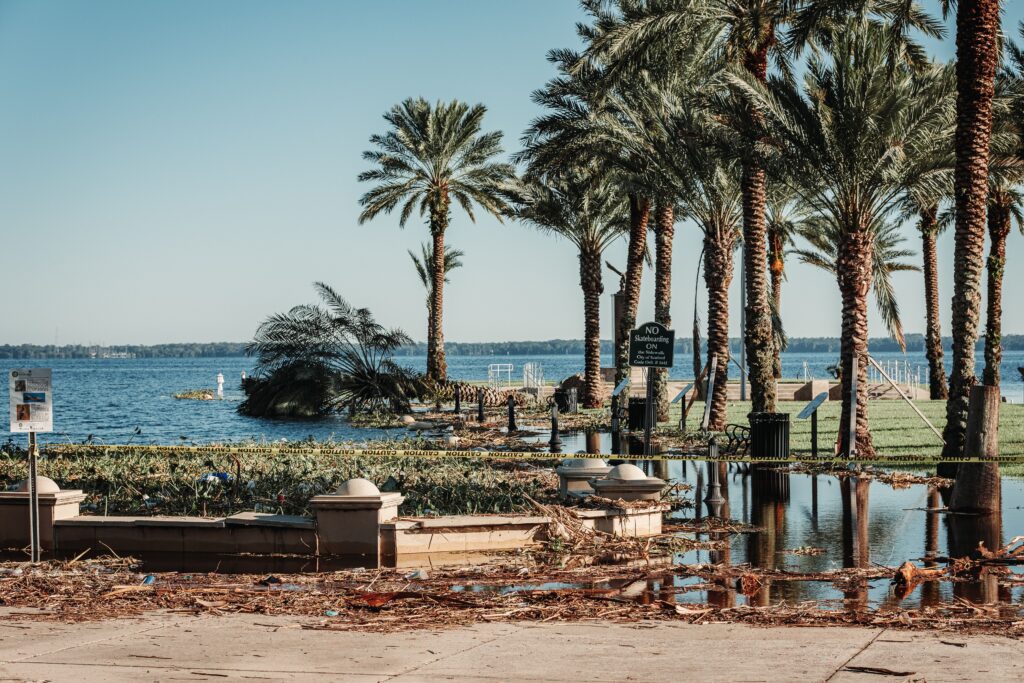
Understanding Hurricane Season and Its Risks
Hurricane season, which typically occurs from June to November, poses significant threats, particularly in regions such as Houston, Texas. The unique geographical layout of Houston, combined with its humid subtropical climate, makes it especially vulnerable to the impact of hurricanes. These storms can deliver high winds, heavy rainfall, and cause extended periods of flooding, all of which pose serious risks to the region’s tree population.
One of the most immediate dangers trees face during a hurricane is the high winds that accompany the storm. Winds can reach dangerously high speeds, often exceeding 74 miles per hour. Such forces can uproot trees or cause limbs to break and fall, leading to potential damage to property and hazards for individuals in the vicinity. Trees with shallow root systems or those that are already weakened by disease or pest infestations are particularly at risk during these intense wind events.
Flooding represents another critical risk during hurricane season. Excessive rainfall can saturate the soil, leading to erosion, which further destabilizes trees. Additionally, prolonged flooding can harm tree health by depriving roots of oxygen, leading to root rot and ultimately tree mortality. Soil erosion, caused by heavy rains and high winds, can wash away the earth that anchors trees, making them more susceptible to falling. The interactions between high winds, flooding, and the specific soil conditions in Houston create a heightened risk environment for trees.
In conclusion, understanding the attributes of hurricane season is crucial for implementing effective strategies in protecting trees. By acknowledging the potential risks posed by hurricanes, both homeowners and tree care professionals, such as those at valeriostreeserviceandmore.com, can take proactive measures to mitigate damage and ensure the safety of trees throughout this tumultuous season.
Assessing Your Trees for Vulnerabilities
Evaluating the health and stability of trees is crucial for homeowners, especially during hurricane season in Houston. Understanding the vulnerabilities of your trees can significantly reduce the risk of damage to your property and ensure safety for your family and neighbors. A few important factors must be taken into account while assessing your trees.
Firstly, the species of the tree plays a significant role in its resilience. Some trees are inherently more resistant to strong winds than others. For example, hardwood trees such as oak and hickory tend to have stronger structures compared to softer woods like pine. Knowing the species can help in determining the potential for damage during severe weather conditions.
Health conditions of the tree are another essential factor. Signs of disease, pest infestations, or decay can significantly compromise a tree’s integrity. Homeowners should look for abnormal growth patterns, such as dead branches, cankers, or fungal growth. These telltale signs could indicate that a tree is weak and may not withstand high winds. Regular health assessments can help identify trees that require intervention from professional services like valeriostreeserviceandmore.com.
The root system also greatly influences a tree’s stability. A well-established root system will anchor the tree firmly to the ground, while shallow or damaged roots could lead to uprooting during gusty winds. Assessing the root structure entails looking for exposed roots, signs of soil erosion, and overall depth. Any visible issues should prompt a more thorough evaluation by a tree care specialist.
Finally, the structural integrity of your trees is a critical point of assessment. Examining the trunk for cracks, splits, or leaning can help indicate a tree’s potential vulnerabilities. Trees that exhibit these structural deficiencies should be monitored closely, and in some cases, may require removal or reinforcement. Utilizing expert resources can provide further insight into maintaining healthy, secure trees.
Tree Maintenance Practices for Hurricane Preparedness
Proper tree maintenance plays a critical role in safeguarding your landscape during hurricane season. By implementing effective techniques, homeowners can significantly reduce the risks associated with hurricanes, ensuring the health and safety of their trees. A proactive approach can also minimize property damage and promote the overall robustness of trees against severe weather conditions.
One of the most vital maintenance practices is the proper pruning of trees. Regular pruning helps to remove dead, weak, or crossing branches that may be susceptible to high winds. By maintaining a well-structured canopy, trees can better withstand the force of hurricane winds. It is advisable to hire a professional service, such as valeriostreeserviceandmore.com, to ensure that the pruning is performed correctly and safely. Additionally, pruning should be done at the right time of the year to promote healthy growth and minimize stress on the tree.
Another essential practice involves the removal of dead or diseased branches. These branches not only pose a risk during fierce storms but can also serve as breeding grounds for pests and diseases, further jeopardizing tree health. Identifying and addressing these problematic areas promptly can enhance the structural integrity of the tree. Routine inspections before hurricane season can aid in pinpointing branches that need attention and ensure that trees remain resilient.
Furthermore, ensuring good soil drainage is crucial for tree health, especially before hurricane season. Poor drainage can lead to root rot, making trees more vulnerable to wind damage. Homeowners should assess their landscaping and consider simple adjustments, such as adding mulch or aerating the soil, to facilitate better drainage. This helps roots to anchor firmly, securing the trees during heavy storms and resulting in less likelihood of uprooting or breakage.
By adopting these maintenance techniques, homeowners can promote safer trees and landscapes, ultimately reducing the risks associated with hurricane damage. For comprehensive assistance, services like valeriostreeserviceandmore.com provide expertise in tree maintenance and can guide homeowners in best practices specific to their needs.
After the Storm: What to Do About Damaged Trees
Following a hurricane, assessing tree damage is a crucial step in ensuring the safety of your property and its occupants. The aftermath of a storm can leave trees compromised, posing potential risks such as falling limbs or uprooted trunks. Property owners should begin by carefully surveying their trees to identify visible damage and assess their overall stability.
First, check for broken branches, cracks in the trunk, or leaning trees, as these signs can indicate a greater risk of failure. If a tree appears dangerous due to extensive damage or structure instability, it is advisable to contact professionals for evaluation and safe removal. Engaging trained experts such as those from valeriostreeserviceandmore.com can ensure that procedures are conducted safely and in compliance with local regulations.
In cases where damage is less severe, some trees may still be salvageable with proper care. This could involve trimming damaged branches or staking the tree to provide additional support. If the tree’s health is compromised, consultation with an arborist can offer insight into potential treatment options such as fertilization or pest management.
Additionally, focus on recovery measures for your property. Clear away debris and fallen branches to restore safety and accessibility. Evaluating the landscape’s drainage after heavy rains is also essential to prevent future issues with erosion or root rot. Adequate cleanup and repair can mitigate broader damage and support the healthy growth of remaining trees.
In conclusion, post-hurricane assessment of tree damage is vital for maintaining safety and ensuring the health of your property’s landscape. By recognizing when to seek professional help and employing effective recovery measures, property owners can not only address immediate concerns but also enhance the resilience of their trees against future storms.