
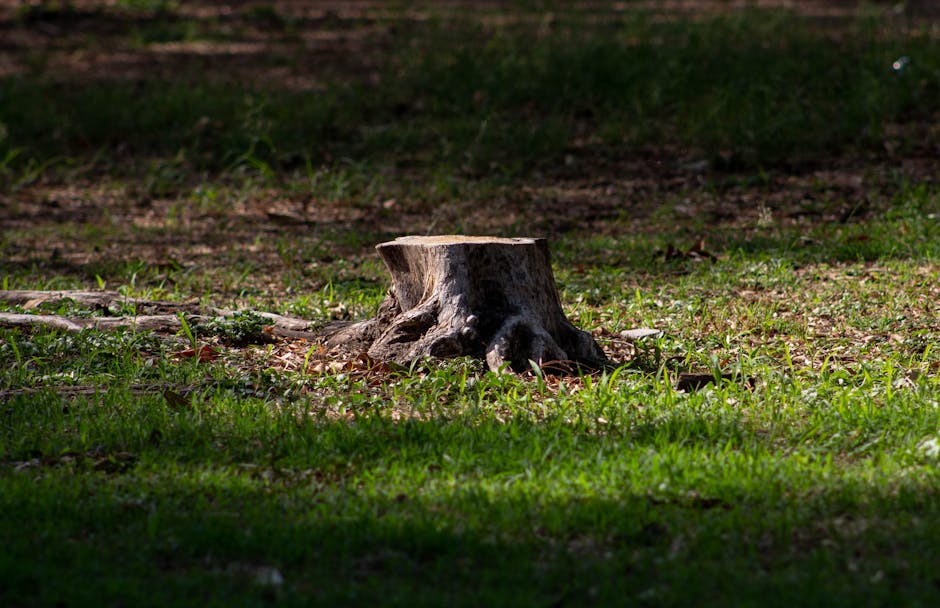
Understanding Stump Grinding
Stump grinding is an essential process in tree removal that involves the mechanical reduction of a tree stump to below ground level. This methodology utilizes a specialized machine known as a stump grinder, which employs sharp, rotating blades to grind the stump into small wood chips. The process effectively eliminates the visible portion of the stump while leaving the root system intact, making it a preferred choice for many homeowners.
One of the primary reasons homeowners opt for stump grinding over other methods, such as stump removal, is its efficiency and minimal disruption to the surrounding landscape. Traditional stump removal can require excavating the entire root system, which may lead to significant soil disturbance and damage to adjacent plants. In contrast, stump grinding is less invasive and considerably quicker, often completed within a few hours depending on the size and condition of the stump.
The equipment involved in stump grinding is designed for precision and safety. Modern stump grinders come in various sizes, suitable for both residential and commercial applications. They feature powerful engines and are equipped with safety mechanisms to ensure the operator and surrounding individuals remain safe during operation. The grinding process not only removes the stump but also aids in leveling the ground and enhancing the overall aesthetics of the yard.
Moreover, stump grinding offers several benefits beyond mere appearance. It prevents the potential return of sprouts and the associated maintenance issues, reduces the risk of pests that may be attracted to decaying stumps, and ultimately creates a safer outdoor environment for families and pets. This comprehensive approach to tree removal emphasizes why stump grinding is regarded as a practical and efficient solution.
Factors Affecting Stump Grinding Duration
When considering the duration for stump grinding, several critical factors come into play that can significantly influence the overall time required for the task. One leading variable is the size of the stump. Larger stumps naturally necessitate more time and power to grind down compared to smaller ones. The extent of the root system also plays a role, as larger root systems may result in increased complexity during the grinding process.
The type of wood is another essential factor. Softwood stumps, such as those from pines or cedars, typically grind faster than hardwood stumps like oak or maple, which are denser and more resistant to the grinding equipment. The age of the stump is also important; older stumps tend to be drier and may break apart more easily, whereas fresh stumps might still be sap-filled, making them tougher to grind.
Accessibility to the site is another determining factor in the grinding duration. If the stump is located in a confined space or surrounded by other vegetation or structures, this can prolong the grinding process, necessitating more meticulous maneuvering of equipment. In some cases, equipment may require additional setup time to efficiently reach the stump, further extending the duration required for completion.
Lastly, environmental conditions such as soil texture and moisture content can impact the time taken for stump grinding. Softer, looser soil can facilitate a quicker process compared to clay or rocky soil, which can slow down the operation. Therefore, understanding these variables can provide insights into how long one can expect stump grinding to take, ensuring better planning and expectations.
Estimated Timeframes for Stump Grinding
When considering stump grinding, the time required for the task can vary significantly depending on several factors, including the size of the stump, its location, and the complexity of the surrounding landscape. Typically, standard stump grinding jobs can be completed relatively quickly, often within one to two hours. Smaller stumps, which usually measure less than 12 inches in diameter, can often be ground down in under an hour. However, as the size of the stump increases, so does the time needed for effective removal.
For medium-sized stumps, generally ranging from 12 to 24 inches, professionals at Houston Tree Service indicated that the grinding process may take up to two to three hours. Factors such as proximity to structures, underground utilities, or other trees can complicate the process and extend the estimated time. In these cases, professionals recommend conducting a thorough assessment not only to estimate time but also to ensure safe grinding practices.
Large stumps, those exceeding 24 inches in diameter, often present more challenges and can require five hours or more, depending on the specific circumstances. For instance, an enormous oak tree stump may take longer to grind down fully due to its hardness and the extensive root system often involved. The grinding equipment’s capabilities also play a role in this timeframe, as not all machines are designed to handle particularly large or complex stumps efficiently.
Based on interviews with the team at Houston Tree Service, they emphasize the importance of consultation before undertaking a stump grinding job. Each project is unique, and understanding factors like root spread and depth can provide clearer guidance on expected timeframes for each specific case. Ultimately, while many jobs can be completed swiftly, it is essential to allow adequate time based on the varied dimensions and conditions associated with stump removal.
Tips for Homeowners Planning for Stump Grinding
Planning for stump grinding services can significantly contribute to a seamless and efficient process. The first step homeowners should take is to conduct thorough research to choose a reputable tree service. Look for companies that have positive customer reviews, proper licensing, and insurance. These factors not only indicate reliability but also serve as protection in case of any mishaps during the grinding process.
Once a suitable tree service is selected, communication becomes key. Homeowners are advised to discuss their specific needs or concerns with the service provider. Providing the tree service with complete information about the stump’s condition and its surrounding area aids in planning accordingly. Ensure that there are no underground utilities in the vicinity; this might necessitate calling a service to mark where these lines run.
Before the job begins, it’s essential to prepare the site. Clearing the area of any obstacles, such as debris, furniture, or low-hanging branches, can facilitate easier access for the machinery involved in stump grinding. Moreover, consider notifying nearby neighbors about the scheduled work, as the noise generated during the process might be disruptive.
Following the grinding process, homeowners should keep in mind the aftermath. The area will likely need some maintenance, such as filling the hole with soil or mulch. Some tree services may offer the option to remove the wood chips created during grinding, so clarify this in advance. Lastly, monitor the area for signs of regrowth or any other issues that may arise, ensuring that the job has been completed to satisfaction.