
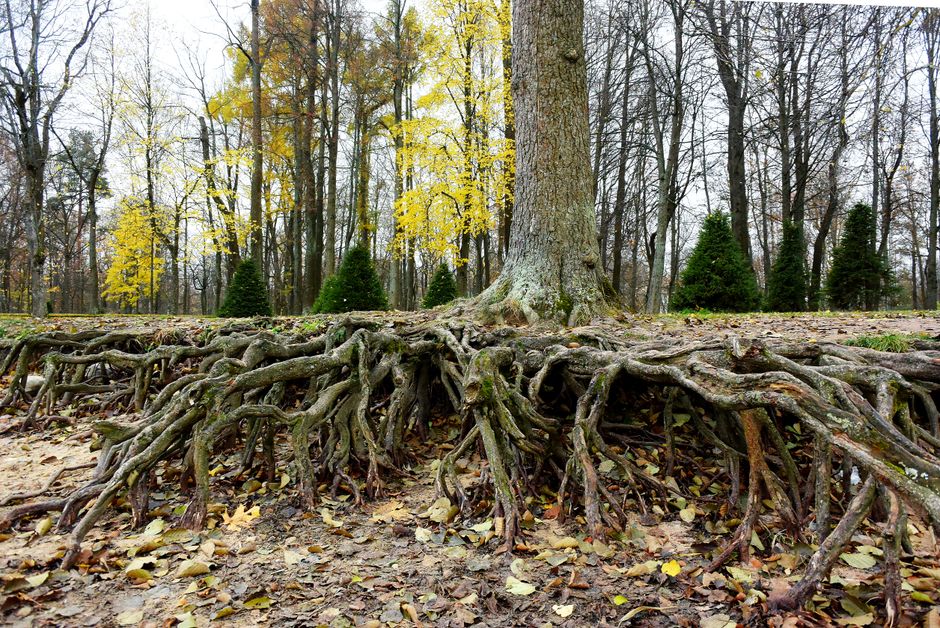
In the urban landscapes of Houston, the integration of nature through the presence of trees can significantly enhance the aesthetics and environmental quality of neighborhoods. However, beneath the beauty of these towering entities lies a potential threat to the structural integrity of homes—root damage. Tree roots, often extending far beyond the visible trunk, can cause considerable complications for foundations, leading to costly repairs and long-term maintenance issues.
This is particularly concerning in Houston, where certain soil conditions combined with the vast diversity of tree species amplify the risk of foundation damage. Tree roots naturally seek moisture and nutrients, often infiltrating foundational spaces and compromising stability. As the roots grow, they can exert pressure on building materials, contributing to cracks in walls, uneven floors, and ultimately, foundation failure if not addressed promptly.
As homeowners in Houston become increasingly aware of the risks posed by tree roots, the importance of prevention and protection strategies cannot be overstated. Evaluating the proximity of mature trees to your home is vital, as well as understanding the specific types of trees and their growth patterns. Valerio’s Tree Service and More provides valuable insights into managing tree care, ensuring that homeowners are equipped with the necessary tools and knowledge to mitigate these risks. By fostering healthy relationships between trees and buildings, property owners can preserve both their landscape and structure.
By examining the implications of root systems on home foundations, this blog post aims to inform and empower homeowners to take proactive steps in protecting their properties from potential damage. Awareness and preparedness can pave the way for preserving the sanctity of Houston homes amidst the greenery that surrounds them.
Understanding Tree Roots and Their Growth Patterns
Tree roots are essential components of plants, serving as a means of anchoring the tree to the ground and absorbing nutrients and water. Understanding their growth patterns is paramount, especially in urban environments like Houston, where trees can have a significant impact on building foundations. Generally, tree roots can be categorized into two distinct types: surface roots and deeper roots.
Surface roots, as the name suggests, grow close to the ground’s surface, often seeking moisture and nutrients in the topsoil. These roots generally extend horizontally and can cover a large area around the tree. Their proximity to the surface makes them particularly problematic in residential areas, as they can encroach on sidewalks, driveways, and, importantly, building foundations. In some cases, a network of surface roots can develop into a dense mat, creating pressure against any structures nearby, including foundations.
Conversely, deeper roots are typically more stable and less invasive. They anchor the tree firmly and reach into the soil to access deeper moisture and nutrients. Although these roots do not pose a direct threat to surfaces as surface roots do, they can still affect foundations, particularly if they drain moisture from the soil beneath a building. A decline in sub-surface moisture can lead to soil shrinkage, which can shift and compromise the stability of the foundation.
It is crucial to recognize that the interactions between tree roots and the surrounding environment can be influenced by various factors, including tree species, soil types, and moisture levels. Therefore, seeking expert assistance is important if you are concerned about how trees might impact your home, as services like valeriostreeserviceandmore.com offer professional consultation and management for these potential issues.
Common Tree Species in Houston and Their Root Systems
Houston is home to a variety of tree species, many of which can impact residential foundations due to their extensive root systems. Understanding these species is crucial for homeowners looking to safeguard their properties from potential root damage.
One of the most common tree species found in Houston is the Live Oak (Quercus virginiana). Live Oaks are known for their large canopy and robust root systems that can spread well beyond the tree’s diameter. While they provide significant shade and aesthetic value, their roots can exert considerable pressure on nearby foundations if planted too close.
The Southern Magnolia (Magnolia grandiflora) is another prevalent species, admired for its evergreen foliage and fragrant blooms. However, the root system of the Southern Magnolia can be somewhat aggressive, potentially causing damage to sidewalks and foundations when situated improperly.
Pecans (Carya illinoinensis) and other nut trees, such as Black Walnuts (<em em=”” juglans=”” nigra), are not only economically beneficial but also feature deep taproots supported by extensive lateral roots. These characteristics make them a significant concern in urban areas, as nut trees can create substantial upheaval in the soil, leading to foundation strain.
Moreover, trees like the Ash (Fraxinus) and Maple (Acer) species can develop fast-growing root systems that tend to spread broadly. They present risks when planted near structures, as they may affect drainage and stability due to their aggressive growth patterns.
Recognizing and understanding the root characteristics of these common tree species in Houston, including the potential for foundation damage, is the first step towards proactive property management. Homeowners should consider consulting experts at valeriostreeserviceandmore.com to assess the risk associated with existing trees or when planning new plantings to minimize any adverse effects on their foundations.
Signs of Possible Damage to Your Foundation
Identifying potential foundation damage early can be key in mitigating costly repairs associated with tree root interference. Homeowners should be vigilant in recognizing several common indicators that suggest damage linked to tree roots in the Houston area.
One of the foremost signs of foundation damage is the appearance of cracks in walls or floors. These cracks may be vertical or horizontal and can vary significantly in size. If such cracks begin to form or widen, it may indicate that tree roots are exerting pressure on the foundation. Another prominent indicator of foundation problems is uneven settling. Homeowners may notice that doors and windows become misaligned, and gaps appear at the tops of door frames or window sills, often suggesting that the foundation is shifting due to root growth.
Water intrusion is another critical sign to consider. If you observe excessive moisture in your basement or crawl space, it could imply that the roots of nearby trees are damaging drainage systems, thereby disrupting the natural water flow. Additionally, the presence of water pooling around the foundation or in areas of the yard can further complicate matters, indicating that roots may be obstructing appropriate drainage, thus promoting soil saturation and increasing the risks associated with foundation instability.
Moreover, changes in the surrounding landscape can also indicate potential root damage. For instance, if you notice that vegetation has begun to die back or soil has subsided around the base of the tree or home, it could suggest that roots are infiltrating and destabilizing the structural integrity of your foundation.
Overall, homeowners should remain observant for these signs, as early detection is critical in addressing root-related foundation issues. For professional assistance with tree root management and foundation protection, consulting services like valeriostreeserviceandmore.com can provide valuable support to ensure your home’s safety and longevity.
Preventative Measures to Take
Homeowners in Houston must prioritize proactive measures to prevent root damage from trees, particularly when considering the impact that tree growth can have on foundations. One of the most effective ways to avert potential issues is through careful tree placement at the time of planting. Ideally, trees should be positioned at a safe distance away from the home’s foundation. The general guideline is to plant trees at a distance equal to their expected mature height. This proactive approach allows roots to develop without compromising structural integrity.
Additionally, regular landscaping practices play a significant role in maintaining a healthy relationship between trees and home foundations. Homeowners should schedule routine checks to assess the growth patterns of trees on their property. Early identification of roots encroaching near the foundation allows for timely intervention, which can help prevent extensive damage. Pruning trees regularly is also beneficial, as it encourages a well-balanced growth structure and minimizes the stress placed on the surrounding soil.
Moreover, integrating root barriers into property design is a strategic approach that can mitigate root damage. These barriers, often made from solid materials such as plastic or metal, are strategically installed underground to redirect root growth away from foundations. Implementing root barriers is most effective during the initial stages of construction or landscaping but can also be retrofitted for existing trees. Valeriostreeserviceandmore.com emphasizes the importance of these barriers, offering comprehensive services that support homeowners in choosing and installing the right solutions to protect their properties.
Ultimately, a combination of thoughtful tree placement, regular maintenance, and the use of root barriers can help prevent root damage significantly. By taking these preventative steps, homeowners in Houston can safeguard their foundations while enjoying the natural beauty that trees provide.
The Importance of Professional Consultations
When it comes to protecting your foundation from potential tree damage, seeking the guidance of professionals is paramount. Arborists and structural engineers possess specialized knowledge and skills necessary to assess the health of trees, the activity of their roots, and the current condition of your foundation.
Professionals in the field, such as those affiliated with valeriostreeserviceandmore.com, can accurately evaluate how various tree species can impact your property over time. Trees that are too close to foundations can pose significant risks. These risks warrant the attention of certified arborists who can identify which tree species are more likely to cause problems and suggest preventive measures. Analyses conducted by experts lead to informed decisions that promote tree health while safeguarding your home.
In addition to tree assessments, structural engineers bring a unique perspective to foundation stability. They can provide detailed insights into how root growth can compromise structural integrity. Their evaluations are often crucial in understanding the interplay between soil conditions, tree root systems, and your foundation’s resilience. Moreover, the collaboration between arborists and structural engineers ensures a comprehensive approach to root management and foundation protection.
Aside from technical evaluations, hiring professionals provides peace of mind. Homeowners are often unaware of the subtle signs that indicate underlying issues related to tree roots and foundation health. Expert consultations expose these risks early on, allowing for timely intervention and corrective actions. Thus, investing in professional consultations not only contributes to immediate safety and structural integrity but also enhances long-term property value.
Repairing Existing Damage
For homeowners in Houston who have already experienced foundation damage due to tree roots, the first step is to assess the severity of the situation. Early detection is paramount, as it can prevent further complications and ensure a more effective repair process. Minor cracks and slight shifts in the foundation may be manageable with simple repairs, but significant damage often requires professional assistance.
One of the primary methods for repairing foundation damage is the use of underpinning techniques. This process involves installing support systems beneath the foundation to stabilize it and prevent further movement. Professional contractors typically conduct soil testing to determine the appropriate underpinning method, which may include piering or mini-piers. The choice of technique often depends on the type of soil and the extent of the damage encountered.
In addition to underpinning, root pruning is an effective strategy for managing existing tree roots that contribute to foundation issues. This process involves strategically cutting away problematic roots to minimize their impact on the foundation. However, it is essential that this be carried out by professionals who understand both tree biology and the dynamics of foundation support. Incorrectly executed root pruning could lead to tree instability, heightening the risk of damage.
When engaging in any repair work, it is vital for homeowners to work with licensed professionals, such as those found at valeriostreeserviceandmore.com. These experts possess the necessary skills to evaluate the damage accurately and recommend a comprehensive repair plan. The involvement of trained specialists not only ensures the efficacy of the repair methods employed but also protects the integrity of both the foundation and nearby trees.
Maintaining a Healthy Landscape
Creating and maintaining a balanced landscape is crucial for both the health of your trees and the protection of your foundation, especially in regions like Houston where the soil composition and climate can impact tree growth. Proper care and attention to watering, soil management, and overall tree maintenance can significantly reduce the risk of root damage to your home’s foundation.
First and foremost, it is essential to implement a consistent watering routine that aligns with the specific needs of the trees in your landscape. Trees require adequate moisture, but overwatering can lead to shallow root systems that are more prone to damage. Techniques such as deep watering encourage roots to grow deeper into the soil, enhancing their stability and minimizing the likelihood of them infringing upon your foundation. Utilizing mulch around trees can also help retain moisture while preventing weeds that compete for nutrients.
Soil management plays a significant role in ensuring healthy tree growth. Conducting soil tests can help determine the pH and nutrient levels present, allowing for the necessary amendments to optimize conditions for trees. A balanced soil ecosystem not only fosters healthy roots but also contributes to more robust trees overall, which can help maintain a safe distance from your foundation. Regularly aerating the soil around trees can enhance air exchange and water infiltration, further promoting healthy root development.
Additionally, tree care practices such as pruning are vital for maintaining tree health. Properly trimming trees promotes stronger structural integrity by directing growth away from your home. Consulting resources such as valeriostreeserviceandmore.com can provide expert advice on the best practices for tree maintenance, ensuring both your landscape and your foundation are well-protected.
Conclusion
In conclusion, understanding and managing tree roots is paramount for homeowners in Houston who wish to protect their foundations. The unique soil composition and climate of the region can exacerbate the potential for root damage, underscoring the need for proactive measures. Homeowners should assess their property and determine the species and proximity of trees relative to their foundations, as certain trees are predisposed to invasive root systems that can compromise structural integrity.
Engaging with services like valeriostreeserviceandmore.com can provide expert insights into managing and potentially removing problematic trees. Regular tree maintenance, including pruning and monitored growth, enhances not only the health of the trees but also mitigates risks to foundations. This is especially important in an urban environment where tree root systems may clash with residential structures.
Additionally, reinforcing preventive measures—such as installing root barriers, scheduling periodic inspections, and ensuring proper drainage—can significantly diminish the chance of root-related foundation damage. Homeowners are encouraged to prioritize their property assessments and take action where necessary to maintain the health of their homes against the complexities of tree growth. By embracing these strategies, individuals can better safeguard their investments and ensure peace of mind regarding the stability of their foundations.