
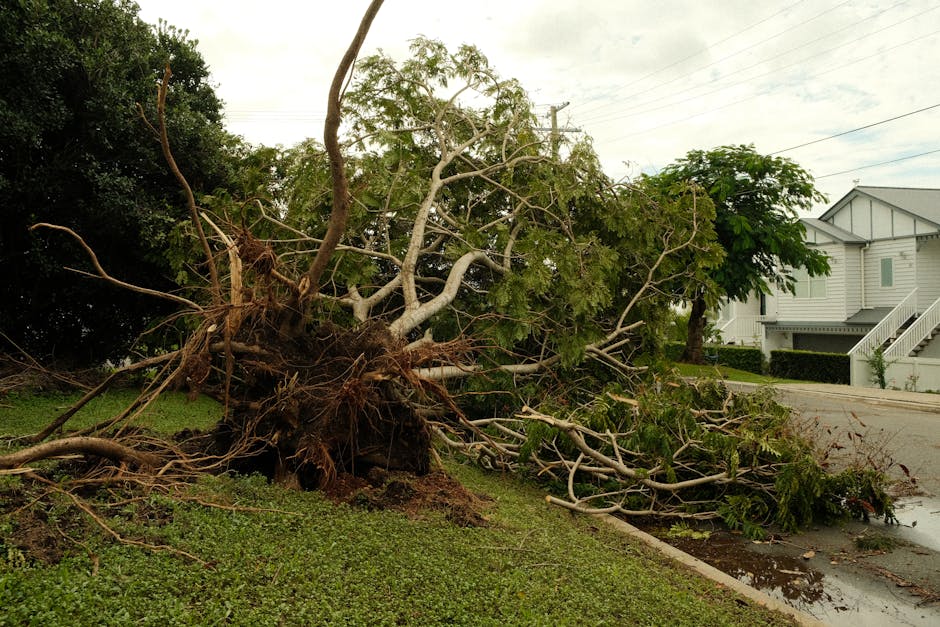
Assessing the Damage: Safety First
Following a storm, it is imperative to approach the aftermath with caution and a clear plan for assessing damage safely. The first step involves surveying the area around your property, paying particular attention to where trees may have fallen. As many residents in Houston can attest, storms often bring down trees, some of which can cause significant hazards.
Before stepping outside, ensure that you are properly equipped with protective gear. This includes safety goggles, sturdy gloves, and durable footwear, which can help minimize the risk of injury from sharp branches or other debris. Once you’ve ensured your safety, begin your assessment by checking the vicinity for any downed power lines. Fallen trees may entangle live wires, creating a dangerous situation. If you encounter a downed power line, do not attempt to approach or handle it; instead, contact local authorities or your utility provider immediately.
As you survey the damage to your property, take note of fallen trees and their proximity to structures. Evaluate whether any branches are leaning precariously or if a tree has uprooted. Additionally, check for structural damage to fences, sheds, or even your home. It is crucial to recognize the signs of compromised stability in your surroundings. If you feel uncertain about the condition of the trees on your property, it is wise to seek assistance from professionals through a service like valeriostreeserviceandmore.com.
While performing this assessment, prioritize your well-being above all. Do not attempt to move large branches or trees by yourself, as this can pose significant risks. Instead, enlist the help of trained professionals who can safely remove debris and evaluate any further dangers. By adopting a cautious approach and utilizing expert services, residents can effectively navigate the aftermath of a storm without compromising safety.
Documenting the Damage for Insurance
After a storm, the removal of fallen trees is just one part of the recovery process; documenting the damage is equally critical, especially when it comes to filing insurance claims. Proper documentation can facilitate smoother interactions with your insurance provider, helping to ensure that you receive the compensation you are entitled to for repairs and clean-up.
To begin, taking effective photographs is essential. Capture images from multiple angles to provide a comprehensive view of the damage. Ensure that the photographs are clear and, if necessary, include a person or object for scale. This can help to convey the extent of the destruction. Additionally, document any debris or related damages in the vicinity, as these may also be covered under your policy.
Alongside photographs, it is beneficial to compile evidence such as broken fences or damaged property that resulted from the fallen trees. Writing detailed descriptions of each damaged item enhances your claim. Be specific about what was affected, how it was impacted, and include the approximate cost of repairs or replacements based on local estimates.
Navigating the insurance process can be daunting, but being armed with the right information is vital. Review your insurance policy to understand the type of coverage you have. Many homeowners’ policies offer coverage for storm damage, but it is essential to know the limits and deductibles associated with your plan. As you prepare to file your claim, keep copies of all documentation and correspondence with your insurance company.
In conclusion, thoroughly documenting the damage caused by fallen trees not only aids in the claims process but also ensures that you have a comprehensive record for future references. For more assistance regarding fallen tree removal and related services, visit valeriostreeserviceandmore.com.
Choosing a Tree Removal Service
When assessing the best tree removal service in Houston, several pivotal factors should guide your decision-making process. First and foremost, ensure that the service provider holds the necessary licenses and insurance. This not only guarantees that they are qualified professionals but also protects you from any potential liability should something go awry during the tree removal process.
Moreover, customer reviews play a crucial role in determining the reliability of a tree removal service. Browsing platforms that host customer evaluations can offer insights into the experiences of past clients. High ratings and positive feedback often point to a company’s ability to handle a variety of scenarios, including storm damage. This is especially important in Houston, where storms can cause significant tree-related challenges.
Experience is another key criterion. A provider with expertise in storm damage will have encountered a diverse range of tree removal situations. Their familiarity with the specific challenges posed by fallen trees in post-storm conditions can greatly influence the efficacy of the service they offer. Additionally, specialized equipment can make a difference. Providers equipped with advanced tools can work safely and efficiently, minimizing further risk to your property.
To ensure you are making a well-informed decision, obtaining multiple quotes is advisable. This helps you gauge the standard pricing for services across different companies. While budget considerations are valid, be wary of excessively low quotes, as they may indicate a lack of necessary qualifications or experience.
In the context of tree removal service selection, considering companies such as valeriostreeserviceandmore.com can be beneficial. Gathering informed choices will empower you to select a competent and reliable service provider for your tree removal needs in Houston.
Post-Removal Considerations: Cleanup and Prevention
After the successful removal of fallen trees, addressing the subsequent cleanup process is essential to restore the area and prevent future incidents. Start by carefully collecting any large debris that remains. It is advisable to wear protective gear, such as gloves and goggles, to ensure safety during the cleanup. Broken branches, leaves, and other remnants can be bagged for yard waste collection or composted, depending on local regulations.
Once larger debris has been managed, evaluate the condition of your landscaping. This may involve assessing soil quality, identifying areas where erosion has occurred, and determining if additional landscaping efforts are needed. Consider consulting a professional, such as a landscape architect or arborist, to help create a resilient landscape that is better prepared to withstand future storms. For optimal recovery, incorporate native plants that are well-suited to the Houston climate and resistant to severe weather conditions.
Additionally, planting trees that are designed for resilience can significantly improve your landscape’s ability to endure storm impacts. Research species that are known for their strength and wind resistance, and take into account the tree’s growth habits and maintenance requirements. Utilizing local resources is also crucial for sustainability; consider looking into facilities that recycle wood and debris, such as those promoted by valeriostreeserviceandmore.com. These organizations often convert fallen trees into mulch or biofuel, contributing to environmentally friendly practices in your community.
Employing effective cleanup techniques and implementing preventive measures not only enhances the aesthetics of your property but also cultivates a robust environment for future growth. Remember that taking proactive steps today can yield significant benefits in the event of future storms.